


The fight against tuberculosis, which is a universal social scourge, is a global concern. According to the World Health Organization’s (WHO) analyses, 1.7 million people die of tuberculosis each year, and the risk of TB in prisons is 100 times higher. The strategies recommended by the WHO against TB serve to detect and treat the disease and reduce infection. Currently, the latest strategy is being successfully implemented in more than 180 countries around the world.
The global pandemic of COVID-19 has created serious tensions in the health systems of the world, as well as difficulties in providing anti-tuberculosis medical services to vulnerable prisoners.
In this regard, earlier this year, the WHO published an interim guideline on the prevention and control of COVID-19 in prisons, urging countries to provide all types of services related to the prevention and treatment of tuberculosis in prisons.
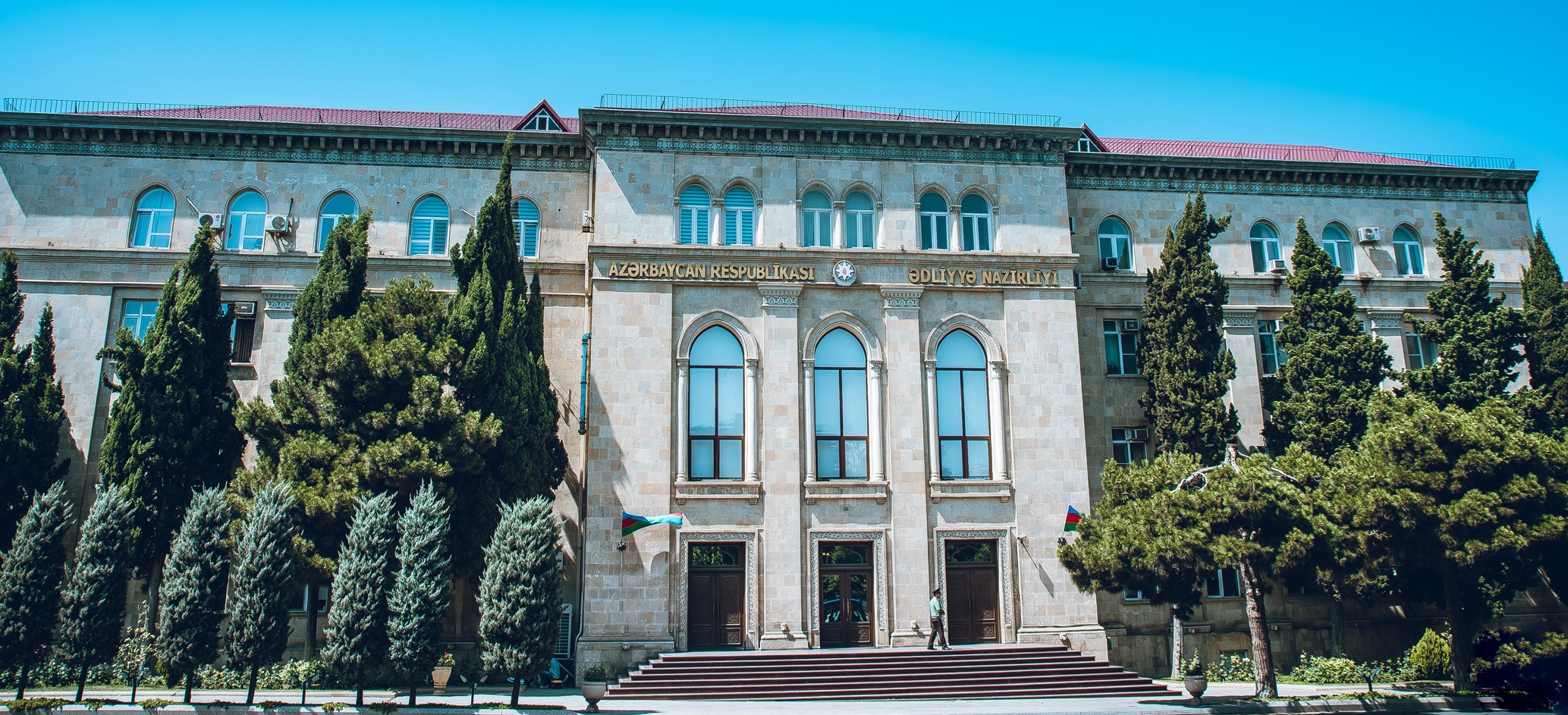
On October 6, the WHO Regional Office for Europe and the Ministry of Justice jointly organized a global webinar on "Treatment and prevention of tuberculosis in prisons during the COVID-19 pandemic."
The purpose of the event was to review the main recommendations for the prevention and treatment of tuberculosis in prisons during the pandemic, to exchange best practices in the continuous, timely and accurate detection, diagnosis and treatment of tuberculosis.
The representative of WHO Regional Office for Health Dr. Masood Dara and Chief of the General Medical Department of the Ministry of Justice of Azerbaijan Dr. Rafail Mehdiyev opened the webinar, attended by representatives of the World Health Organization, “Borderless Doctors” International Medical Humanitarian Organization, the International Union Against Tuberculosis and Lung Diseases in Detention Centers and the representatives from 26 countries, they noted the importance of the event in terms of strengthening the global fight against tuberculosis, learning and application of positive experiences.
Speaking at the event, the representative of our country first drew attention to the military provocations committed by the occupying Armenia against Azerbaijan and informed the participants about the successful counter-offensive operations carried out by the Azerbaijani Army under the leadership of President, Supreme Commander-in-Chief Mr. Ilham Aliyev.
He said that the paralysis of our economy in the early 1990s as a result of the aggressive policy of Armenia, which has been occupying our territories for almost 30 years and ignoring the decisions and resolutions of the UN and other international organizations on the unconditional withdrawal of its armed forces
from our lands, has caused social problems and created favourable conditions for the spread of tuberculosis.
After the return of national leader Heydar Aliyev to the country's leadership, purposeful measures were taken to improve the welfare of the population, and the fight against tuberculosis did not go unnoticed. Strategies in this area have been developed in accordance with WHO recommendations, a special law has been adopted, joint programs and projects are being implemented with international organizations, as well as the effective fight is carried out against tuberculosis in penitentiaries.
According to the decrees and orders of the President Ilham Aliyev, consistent measures are being taken to improve the activities in the penitentiary system, protect the rights of prisoners and accused persons, improve medical and medicinal supplies, and penitentiary institutions are equipped with modern medical equipment.
For many years, effective cooperation with the International Committee of the Red Cross in providing highly qualified medical care to prisoners has achieved positive results in the fight against tuberculosis among prisoners, the new express test, which allows to determine the exact diagnosis of tuberculosis as soon as possible, was introduced in penitentiaries in Azerbaijan for the first time in the world. At the same time, in order to ensure effective treatment of prisoners with tuberculosis, to improve their conditions of detention, there is a specialized medical institution.
All this has led to an annual decrease in the number of deaths and infections from tuberculosis in penitentiaries. Compared to 1995, when the ICRC began targeted activities in this area, TB deaths in penitentiaries have decreased by 136 times.
Our country has exceeded the WHO-recommended targets for successful treatment of TB by achieving 95% success in the treatment of drug-sensitive TB prisoners and 92% in the treatment of drug-resistant TB patients, which is one of the highest rates in the world.
The head of the main medical department noted that, Azerbaijan's experience in controlling tuberculosis is highly appreciated by WHO, ICRC and other international organizations, our positive experience has become an example in the world and was awarded with the annual Health Award. A Training Center has been established in Baku to disseminate and study Azerbaijan's experience in other countries, and the World Health Organization has given it international status. WHO’s General Director Dr. Tedros Adhanom Gebreyesus after getting acquainted with the activities of the Center, stressed the importance of the strong
political will of our state and the spread of our positive experience in achieving positive results in the fight against tuberculosis.
The Ministries of Justice and Internal Affairs of 20 countries in Europe and other continents, as well as the health services of penitentiaries and even the representatives of the Ministries of Health have benefited from our positive experience last year in the Center, and models are already being applied in some countries in line with our experience.
R.Mehdiyev stressed that in the conditions of coronavirus pandemic in 2020, medical care of prisoners, fight against tuberculosis, control over TB prevention and treatment were strengthened, and he noted the necessary medical, preventive and other prophylactic works carried out by the Ministry of Justice as part of the decisive measures taken under the leadership of the President and First Vice President Mehriban Aliyeva.
There was noted that, medical service continued its work in strengthened regime in accordance with the recommendations of the WHO, consistent measures were taken to prevent coronavirus and other infections, including tuberculosis among convicted and accused persons, in close cooperation with the Ministry of Health and Union of Administration of Medical Territorial Sectors, large enlightenment works were carried out by strengthening sanitary and epidemiological control, doctors and other medical workers were involved in special trainings.
It was noted that during the pandemic, the intensity of tuberculosis control measures carried out by the medical service in penitentiary institutions was not reduced and was carried out in parallel with measures against coronavirus infection. Successful work in both directions, along with the continuous improvement of TB statistical epidemiological indicators, serves to control and manage COVID-19 infection.
Representatives of different countries spoke at the online conference, showing great interest in Azerbaijan's positive experience in the fight against tuberculosis, emphasizing that our country's achievements are spread in other countries, useful discussions were held and participants' questions were answered.
Report of the Press Service of the Ministry of Justice


