Azərbaycan Respublikası Ədliyyə Nazirliyi

The Ministry of Justice carries out the execution of fixed-term and life imprisonment sentences and the correction of sentenced persons. This activity is carried out by the Penitentiary Service, an independent structural unit of the Ministry (Department General Status).


The Ministry's areas of activity in the penitentiary sector are as follows:
•    execution of fixed-term and life imprisonment sentences;
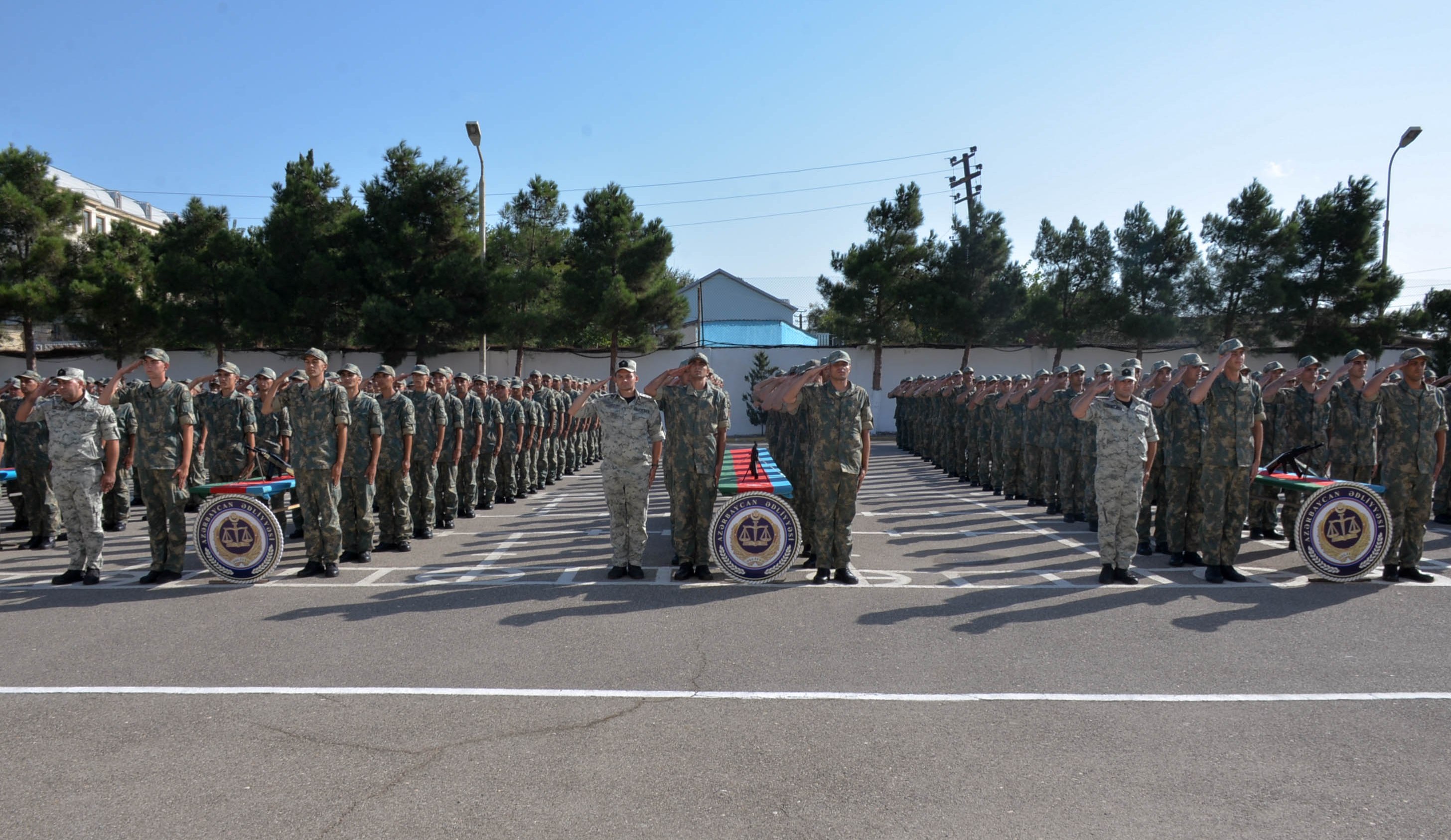
•    Organization of the activities of military convoy units responsible for ensuring the security of penitentiary establishments and pre-trial detention facilities, and for the guarding and escorting of accused persons and prisoners; and the organization of the activities of other convoy units within the penitentiary service;
•    ensuring the security of penitentiary establishments and pre-trial detention facilities;
•    conducting correctional work for prisoners;
•    ensuring the guarding and escorting of arrested persons and prisoners;
•    detention of persons subject to arrest as a preventive measure; 

Frequently Asked Questions

View All
What is the meaning of the word "penitentiary"?

The word "penitentiary" comes from the Latin word "paenitentia", which translates to "repentance".

How to apply for a pardon for a sentenced person?

According to the "Regulation on Pardon" approved by the Decree of the President of the Republic of Azerbaijan dated June 18, 2001, application for pardon may be submitted by the sentenced person, his or her defense attorney, representative, or legal representative. An application for pardon may be filed in respect of a person sentenced to correctional works, restriction of freedom, detention in a disciplinary military unit, restriction on military service, or imprisonment for a crime that does not pose a major public danger - after the sentence has entered into legal force.
An application for pardon may be filed in respect of a person sentenced to imprisonment for committing a less serious crime - after serving at least one third of the sentence, in respect of a person sentenced to imprisonment for committing a serious or especially serious crime - after serving at least half of the sentence, in respect of a person sentenced to life imprisonment – after serving ten years of the sentence; on the removal of conviction – after the sentenced person has served his sentence. The issue of pardon may also be raised through a petition submitted by a member of the Milli Majlis of the Republic of Azerbaijan, the Commissioner for Human Rights (Ombudsman), the authority executing the sentence, or an international or non-governmental organization. Commissions for the protection of juveniles’ rights and interests may also submit petitions for the pardon of persons aged 14 to 18 at the time of committing an offence who have been convicted by the courts of the Republic of Azerbaijan. 

What is the difference between amnesty and pardon?

Amnesty is the exemption from punishment imposed or that may be imposed on persons not individually specified who have committed offences, the reduction of the sentence imposed on such persons, or the replacement of the unserved part of the sentence with a lighter type of punishment. The amnesty act shall be adopted by the Milli Majlis of the Republic of Azerbaijan. Pardon is the release from punishment of persons individually identified and convicted by courts, or the reduction of the term of the sentence imposed on them, or the replacement of the unserved part of the sentence with a lighter type of punishment. Pardon shall be granted by the President of the Republic of Azerbaijan.

Which normative - legal acts govern conditional early release from serving a sentence?

In accordance with Articles 76 of the Criminal Code of the Republic of Azerbaijan, 170 of the Code of Execution of Punishments, and 513 of the Code of Criminal Procedure, conditional early release of sentenced persons may be granted after serving one half of the sentence in a general (less strict) regime, two-thirds in a general strict regime, three-quarters in a strict regime, and, in the case of life imprisonment, after 25 years of imprisonment.